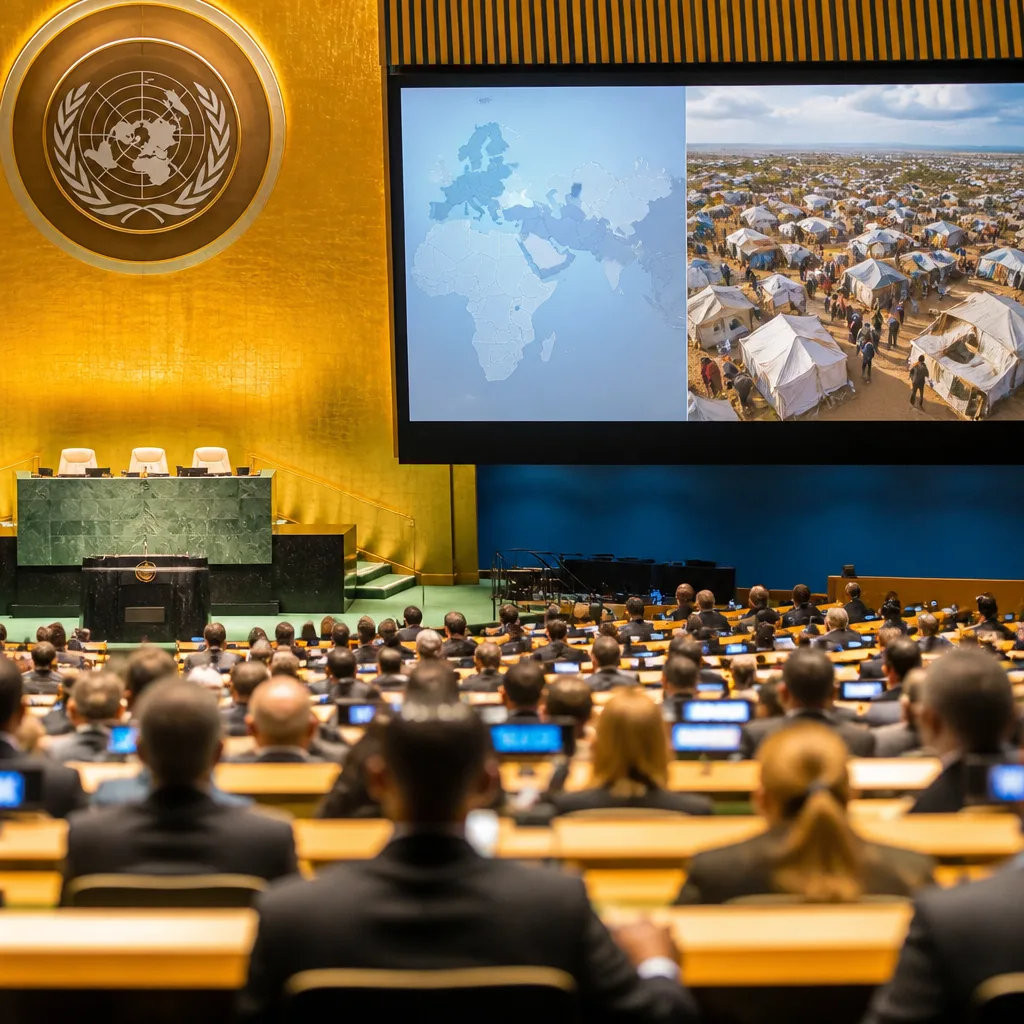
The 62nd session of the United Nations Human Rights Council concluded on 8 July with a set of decisions that place health and humanitarian protection at the centre of its recent agenda. Delegates adopted a total of 28 resolutions tackling issues from the safety of medical personnel in conflict zones to the human rights dimensions of neglected tropical diseases.
Resolutions with direct health implications
Among the measures passed were texts addressing the protection of healthcare during armed conflict, the obstruction of humanitarian access and the human rights consequences of neglected tropical diseases. The council also renewed eight country-specific and thematic mandates, sustaining international scrutiny on situations that can have significant knock-on effects on health provision.
The session included an urgent debate on the situation around El Obeid, North Kordofan, in Sudan. The council adopted a consensus resolution condemning serious abuses reported in the area, including the use of drone strikes that civilians say have caused deaths and damaged essential infrastructure and services. The body called for the independent international fact-finding mission for Sudan to investigate alleged violations of international human rights and humanitarian law.
Displacement and access to services
The World Council of Churches (WCC) contributed to the wider discussions, marking its engagement in efforts to secure climate justice, health equity and broader human rights. In a joint statement with Franciscans International, the WCC welcomed the report by the special rapporteur on internally displaced persons and urged stronger compliance with humanitarian law.
The statement drew attention to two particularly severe displacement crises:
- West Papua — more than 122,931 Indigenous Papuans remain internally displaced, with limited access to shelter, clean water, healthcare and education; women and children are reported to be at heightened risk of gender-based violence.
- Cabo Delgado, Mozambique — over 600,000 people are displaced amid ongoing conflict, facing protection threats including the recruitment of children and gender-based violence.
Both regions were noted as suffering from widespread impunity and restricted access for journalists, hampering independent verification and the delivery of aid.
| Item | Figure/Action |
|---|---|
| Resolutions adopted at 62nd session | 28 |
| Internally displaced in West Papua | 122,931 |
| Displaced in Cabo Delgado | 600,000+ |
The council’s combination of thematic and country-specific mandates underscores how human rights concerns intersect with public health. Damage to medical facilities, disruption of water and sanitation systems, and restricted humanitarian access all exacerbate the risks of disease outbreaks and long-term health deterioration among displaced populations.
While the WCC and allied organisations emphasised the need for accountability and improved compliance with international law, the effectiveness of the council’s resolutions will depend on follow-up mechanisms and the ability of fact-finding missions to gain access to affected areas. For health actors and humanitarian agencies, the outcomes of this session reinforce the urgency of coordinating protection of health services with broader human rights monitoring.
Readers should note that these developments were recorded at the council’s 62nd session and reflect the texts and statements formally adopted or submitted to that forum.